Real-Time vs. Aged Debt Leads: Which Strategy Drives Better ROI?
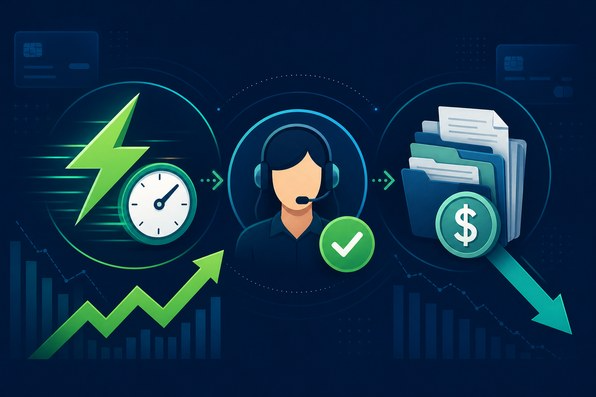
Jul 24, 2026By McGraw Now The consumer debt relief industry is experiencing unprecedented demand. Driven by inflation, rising interest rates, and economic uncertainty,...

The distinction between first-party and third-party data has become one of the most critical topics of conversation in digital marketing. As privacy regulations tighten and the long-anticipated death of the third-party cookie finally reshapes the advertising ecosystem, marketers are being told to double down on the data they own.
While focusing on owned data is undoubtedly a smart move, a harsh reality is setting in for many B2C brands: relying exclusively on your own data creates a massive ceiling on growth. In fact, an overwhelming 86% of marketers recognize the importance of their internal data, yet nearly half struggle with its accuracy and limitations.
To build scalable, high-converting campaigns in 2026, marketers must understand the distinct strengths and weaknesses of both data types. More importantly, they need to know how to combine them to create a true 360-degree view of the modern consumer.
First-party data is the information you collect directly from your audience through your own channels. Because you own the relationship with the individual, this data is widely considered the most valuable, reliable, and compliant asset a marketing team possesses .
This data is generated every time a customer interacts with your brand. It includes information stored in your CRM (like names, email addresses, and purchase history), website behavior (pages viewed, items added to cart), email engagement metrics, and loyalty program activity.
The Strengths of First-Party Data
The primary advantage of first-party data is its accuracy. Because it is collected directly from the source, you know it is authentic. Furthermore, it is highly relevant; these individuals have already demonstrated an interest in your brand. From a compliance standpoint, first-party data is the safest bet for navigating regulations like the California Consumer Privacy Act (CCPA) and GDPR, provided it is collected with proper consent.
The Limitations of First-Party Data
However, first-party data is inherently limited by its scope. It only represents the people you already know. If your primary goal is customer acquisition and growth, relying solely on first-party data means you are fishing in a very small pond.
Furthermore, first-party data only tells you what a customer does *with your brand*. It explains actions—such as a cart abandonment or an email click—but it rarely explains the *motivations* behind those actions . It cannot tell you if a customer just bought a new home, had a child, or experienced a significant change in income. Without this external context, scaling your prospecting efforts becomes incredibly difficult.
Third-party data is information collected by an entity that does not have a direct relationship with the user. This data is typically aggregated by large-scale data providers who compile information from thousands of public records, publishers, and offline sources, organizing it into targetable audience segments.
The Strengths of Third-Party Data
The defining strength of third-party data is its massive scale. It allows you to reach millions of potential customers who have never interacted with your brand before. This makes it an indispensable tool for top-of-funnel awareness campaigns and aggressive customer acquisition.
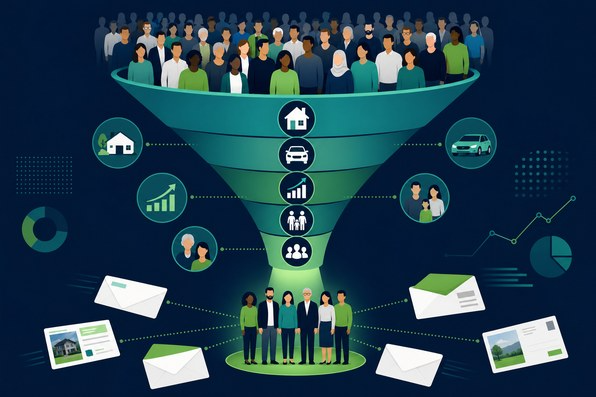
Beyond pure reach, high-quality third-party data provides the rich demographic, psychographic, and behavioral context that first-party data lacks. By tapping into a comprehensive consumer database, you can identify prospects based on over 300 specific attributes, including household income, vehicle ownership, mortgage type, and lifestyle interests.
The Risks of Third-Party Data
The traditional drawback of third-party data—particularly the digital cookies used in programmatic advertising—has been transparency and privacy. Data sourced unethically or without clear consent puts brands at severe legal and reputational risk. Additionally, low-quality third-party data can be inaccurate or outdated, leading to wasted ad spend. This is why partnering with a reputable, CCPA-compliant data provider is more critical now than ever before.
The most successful marketing strategies in 2026 do not choose between first-party and third-party data; they integrate them. First-party data provides the foundation of truth about your existing customers, while third-party data provides the scale and context needed to find new ones.
Here is how combining these data sets drives superior marketing ROI:
1. Data Appending and Enrichment
If your CRM is filled with fragmented records—perhaps you have physical addresses but no email addresses, or phone numbers but no names—you can use third-party data to fill the gaps. Through consumer data appending services, you can match your incomplete first-party records against a master database. This enriches your files with missing contact info and demographic attributes, instantly expanding your multichannel marketing capabilities.
2. Building Lookalike Audiences
By analyzing your enriched first-party data, you can identify the specific demographic and psychographic traits of your best customers. Do your highest lifetime value (LTV) customers tend to be married homeowners over the age of 50 with an interest in golf? Once you know this, you can purchase targeted third-party lists that match this exact profile, ensuring your acquisition budget is spent only on high-intent prospects.
3. Trigger-Based Marketing
Third-party data allows you to execute campaigns based on real-world life events that your internal systems cannot track. For example, if you sell home insurance, your first-party data won’t tell you when a prospect moves. By utilizing third-party homeowner leads, you can trigger highly relevant direct mail or email campaigns the moment a consumer purchases a new property.
First-party data is essential for retention and optimization, but it is not a complete strategy by itself. When growth, scale, and deep customer understanding are the goals, first-party data alone lacks the reach and context required to move the needle.
By complementing your internal insights with high-quality, ethically sourced third-party data, you can reach more of the right people, reduce wasted spend, and dramatically improve conversion rates across all your marketing channels.
References
[1] Nielsen. (2021). First-Party Data is a Good Start, but it’s Not Enough. Retrieved from https://www.nielsen.com/insights/2021/first-party-data-is-a-good-start-but-its-not-enough/
[2] Improvado. (2026). 1st Party vs. 3rd Party Data: The Ultimate Guide for Marketers in 2026. Retrieved from https://improvado.io/blog/the-difference-between-first-party-second-party-and-third-party-data
[3] SG360. (2026). Why First-Party Data Alone Isn’t Enough for Today’s B2C Marketers. Retrieved from https://sg360.com/why-first-party-data-isnt-enough/
By McGraw Now The consumer debt relief industry is experiencing unprecedented demand. Driven by inflation, rising interest rates, and economic uncertainty,...

In the highly competitive world of B2C marketing, catching a consumer’s attention is harder than ever. Customers are inundated with...
In an era dominated by digital noise, direct mail is experiencing a powerful renaissance. With overflowing email inboxes and digital...