In an era dominated by digital noise, direct mail is experiencing a powerful renaissance. With overflowing email inboxes and digital fatigue at an all-time high, the tangible nature of physical mail allows brands to cut through the clutter and forge a memorable connection with consumers. In fact, despite rising postal costs, direct mail continues to boast the highest return on investment (ROI) for individual media, reaching an impressive 161% . Furthermore, when direct mail is integrated with digital marketing channels, brands report average conversion rates of 40% .
However, the success of a direct mail campaign is not determined at the printing press; it is decided during the list-building phase. According to the well-known 40/40/20 rule of direct marketing, 40% of a campaign’s success is determined by audience targeting and data quality, 40% by the offer itself, and only 20% by the creative execution. If you send a beautifully designed mailer with a compelling offer to the wrong audience, your campaign will fail. To achieve high conversion rates, you must move beyond generic “spray and pray” tactics and learn how to build a highly targeted consumer mailing list.
1. Start with Your Ideal Customer Profile (ICP)
Before you purchase a single record, you must clearly define who you are trying to reach. A targeted mailing list begins with a robust Ideal Customer Profile (ICP). If you are an established business, look inward first. Analyze your existing customer database to identify common traits among your highest-value buyers. What is their average age? What is their household income? Do they own or rent their homes? By understanding the demographics and psychographics of your best current customers, you can build a precise framework for finding new ones.
If you are launching a new product or entering a new market, you will need to rely on market research to build your ICP. The goal is to be as specific as possible. A target audience of “homeowners in Florida” is far too broad. A target audience of “married homeowners in Florida, aged 45-65, with a household income over $100,000, who have lived in their home for more than 5 years” provides the precision needed for a high-converting campaign.
2. Leverage Deep Demographic and Psychographic Segmentation
Once your ICP is defined, you need to translate those traits into actionable data filters. When purchasing a targeted consumer data list, you should not settle for basic geographic targeting.
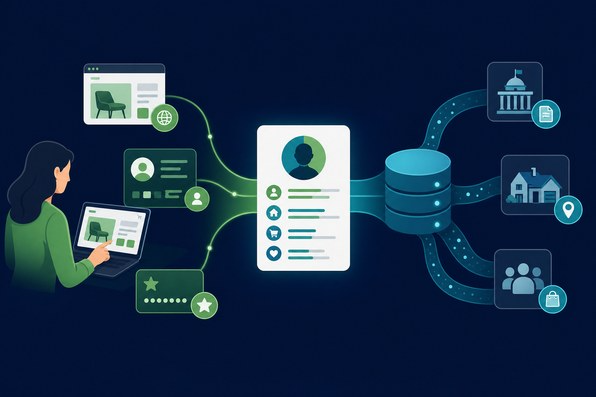
A premium B2C data provider will allow you to filter your list using hundreds of specific attributes. To build a list that converts, you should layer multiple data points to narrow your focus to the highest-intent prospects.
Key segmentation categories include:
•Demographics: Age, gender, marital status, presence of children, and education level.
•Financial Indicators: Household income, net worth, credit indicators, and mortgage type.
•Property Attributes: Dwelling type (single-family vs. multi-family), home value, and length of residence.
•Psychographics and Lifestyle: Hobbies, interests, charitable donation history, and purchasing behaviors (e.g., frequent catalog shoppers or online buyers).
For example, an auto warranty provider would not simply mail every household in a zip code. Instead, they would utilize specialized auto leads data to target consumers based on the specific make, model, and year of the vehicles in the driveway. This level of granular segmentation ensures your message reaches someone who actually needs your service.
3. Utilize Trigger-Based and Life-Event Data
The most targeted mailing lists do not just reach the right person; they reach them at the exact right time. Trigger-based campaigns focus on timing your outreach around significant life events that indicate a sudden, heightened purchase intent.
When consumers experience major life transitions, their buying habits shift dramatically. By incorporating life-event data into your mailing list criteria, you can capture prospects at the moment they enter the market.
Powerful life-event triggers include:
•New Movers and Homeowners: Consumers who have recently relocated spend heavily on furniture, home services, security systems, and local retail.
•Turning 65: This is a critical trigger for insurance agents looking to generate high-converting Medicare leads during the Annual Enrollment Period (AEP).
•New Parents: A prime audience for life insurance, childcare products, and family-oriented vehicles.
By building a list based on recent life events, your direct mail piece transitions from an unsolicited advertisement into a timely, relevant solution.
4. Prioritize Data Hygiene and Verification
The most perfectly segmented list is worthless if the data is inaccurate. In the United States, millions of people move every year, meaning consumer data decays rapidly. If you purchase a cheap, outdated mailing list, a significant portion of your marketing budget will be wasted on returned mail and undeliverable addresses.When selecting a data provider, you must ensure they employ rigorous data hygiene practices.
Before deploying your campaign, your mailing list should undergo:
•CASS™ (Coding Accuracy Support System) Processing: Standardizes addresses to meet USPS requirements and corrects ZIP codes.
•NCOALink® (National Change of Address) Processing: Updates records for individuals and families who have recently moved and filed a change-of-address.
•Suppression Services: Removes records that should not be mailed, such as deceased individuals, bankruptcy filings, and consumers registered on “Do Not Mail” lists.
Clean data is the foundation of a profitable direct mail campaign. Partnering with a provider that updates their database monthly ensures your message actually reaches the intended recipient.
5. Enrich Your Existing House File
Building a targeted list does not always mean buying net-new prospects. Often, your most profitable campaign will come from your existing “house file”—the list of past customers and unconverted leads already sitting in your CRM. However, house files are frequently incomplete. You may have a customer’s email address and purchase history, but lack their physical mailing address or demographic details. Through consumer data appending services, you can match your incomplete records against a master database to fill in the missing gaps. By appending postal addresses to your email subscribers, you can launch a coordinated, omnichannel campaign that reaches prospects in both their physical mailboxes and their digital inboxes, dramatically increasing the likelihood of conversion.
Conclusion
Direct mail remains one of the most powerful tools in a marketer’s arsenal, but its success relies entirely on the quality of the audience. By defining a strict Ideal Customer Profile, leveraging deep demographic segmentation, utilizing life-event triggers, and demanding pristine data hygiene, you can build a targeted consumer mailing list that drives real, measurable ROI. If you are ready to stop wasting postage on unqualified prospects, McGRAW can help. With over 300 million consumer records and 300+ selection criteria, we provide the precise, verified data you need to make your next direct mail campaign a success.
References