The landscape of auto insurance and warranty lead generation has fundamentally shifted. In 2026, the focus is no longer simply on acquiring the highest volume of leads at the lowest Cost Per Lead (CPL). Instead, successful agencies and carriers are prioritizing intent, speed-to-contact, and data-driven qualification to maximize their return on investment. As consumer behavior evolves and competition intensifies, adapting to these new lead generation paradigms is essential for sustained growth.
The Shift from Volume to Intent
For years, the standard approach to lead generation was a numbers game. Agencies would purchase large batches of internet form leads, hoping that a small percentage would eventually convert. However, this strategy is proving increasingly inefficient. Consumers are bombarded with options, and shared leads often result in a frustrating experience for both the prospect and the agent.
In 2026, the industry is seeing a decisive move toward intent-based lead generation. This means focusing on prospects who are actively demonstrating a desire to purchase or switch their auto insurance or warranty coverage.
A prime example of this shift is the rise of pay-per-call lead generation. Unlike passive form fills, a consumer who initiates a phone call after seeing an ad or searching for a quote demonstrates high active intent. These live transfers connect motivated prospects directly with licensed agents, bypassing the traditional follow-up delays that often kill conversions. Because the prospect is already engaged, the conversation quality is significantly higher, resulting in better policy-binding ratios.
AI and Data-Driven Lead Qualification
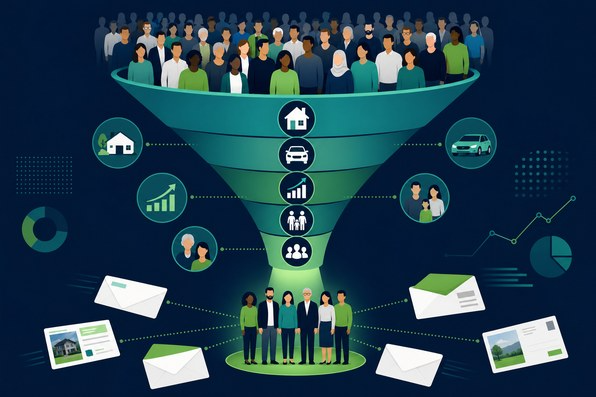
Not all leads—even those demonstrating intent—are created equal. To truly optimize the sales funnel, agencies must implement robust lead qualification processes. This is where Artificial Intelligence (AI) and advanced data analytics are making a profound impact.
AI-powered systems can now analyze behavioral signals, demographic information, and external data points to predict a prospect’s likelihood to convert. This enables predictive lead scoring, allowing sales teams to prioritize their outreach efforts on the most promising opportunities.
Furthermore, effective lead qualification before a live transfer ensures that agents spend their time only with prospects who meet specific campaign requirements, such as state eligibility or vehicle ownership criteria . By screening out unqualified leads early in the process, agencies can dramatically improve their conversion efficiency and reduce wasted spend. As noted by industry experts, advanced analytics and AI are transforming insurance data services from operational support into strategic drivers of competitive advantage .
The Importance of Speed and Engagement
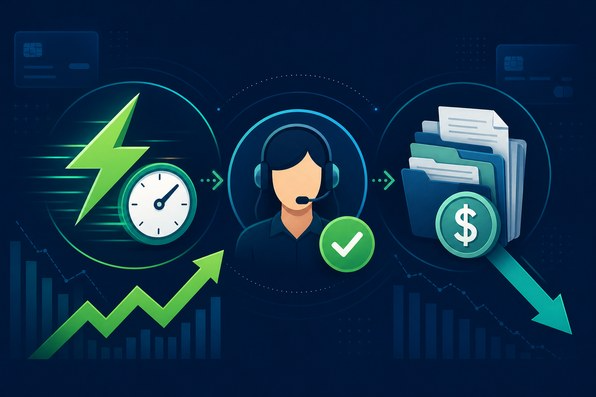
Even with high-intent, qualified leads, speed remains a critical factor in conversion success. The modern consumer expects immediate gratification. Research consistently shows that the first few minutes after a lead is generated are the most crucial. If an agency cannot respond to an inquiry almost instantly, they risk losing the prospect to a competitor who can.
Real-time call routing and AI-driven CRM systems are essential tools for ensuring that no opportunity sits idle. By automating initial follow-ups and routing qualified calls directly to available agents, businesses can capitalize on the prospect’s interest at its peak. This operational advantage not only improves conversion rates but also boosts the morale of sales teams, who prefer speaking with engaged prospects rather than dialing unresponsive lists .
Navigating a Fluid Market
The urgency to adopt these advanced lead generation strategies is underscored by current market dynamics. Consumer loyalty in the auto insurance sector is becoming increasingly fluid. In early 2026, data indicate that one-third (33%) of auto insurance holders are likely to switch providers within a 90-day window, representing a significant increase in switching intent compared to previous years.
This high churn rate is driven largely by cost and affordability concerns, but it presents a massive opportunity for agencies that can effectively identify and engage these “in-market” shoppers. To capture this shifting market share, insurers must move beyond traditional methods and leverage targeted digital engagement focused on what matters most to consumers.
Conclusion
The future of auto lead generation lies in precision, not just volume. By embracing intent-based strategies like pay-per-call, leveraging AI for predictive qualification, and prioritizing speed-to-contact, agencies can significantly improve their conversion efficiency. In a highly competitive 2026 market where consumer loyalty is tested, those who adapt to these data-driven approaches will be best positioned to turn prospects into long-term customers.
References