The Hidden Costs of Cheap Leads
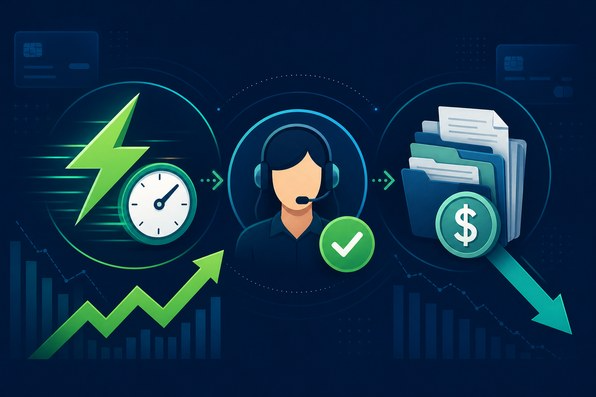
It is tempting to focus solely on top-of-funnel metrics. A low CPL might look impressive on a marketing dashboard, but it rarely tells the whole story. If a lead costs next to nothing but abandons the quote process, fails basic underwriting criteria, or simply never answers the phone, the true cost of that lead is much higher than the initial click.
Bargain-basement leads often result in hidden costs, including wasted follow-up time, misallocated routing resources, and decreased sales team morale [1]. Conversely, exclusively targeting high-intent, bottom-of-funnel audiences can drive CPL to unsustainable levels, limiting the volume needed to meet revenue goals. The objective is to find the “sweet spot” where you generate a sufficient volume of genuinely qualified prospects at a cost that supports profitability.
Precision Targeting and Intent Signals
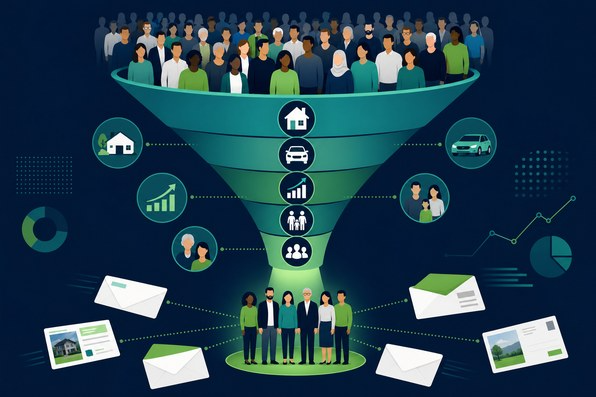
One of the most effective ways to lower CPL without degrading quality is to move beyond broad demographic targeting and embrace intent-based segmentation. Instead of pouring budget into generic audiences, successful campaigns in 2026 rely on real-time behavioral signals.
This involves analyzing search queries, time-on-site patterns, and specific engagement triggers to differentiate a casual browser from a ready-to-buy prospect [1]. By dynamically adjusting bids—increasing spend for underpriced, high-intent audiences and scaling back on underperforming segments—marketers can reduce wasted ad spend. This precision ensures that marketing dollars are allocated only to users who demonstrate clear purchase intent, naturally driving down the effective CPL while maintaining a high standard of lead quality.
Upgrading to Interactive Funnels
The landing page is the critical juncture where ad clicks either transform into leads or vanish entirely. Traditional static forms, which demand too much information upfront without providing immediate value, are major culprits behind high bounce rates and inflated CPLs.
To combat this, industry leaders are transitioning to interactive, multi-step funnels. Instead of presenting a clipboard of questions, these funnels guide users through a conversational experience, asking about their specific goals before requesting contact details [2]. This approach replicates the natural flow of a sales conversation. Data shows that interactive funnels can double conversion rates compared to static forms, significantly lowering the cost of acquisition while simultaneously pre-qualifying the prospect [2].
Continuous Optimization and Data Hygiene
Even the most well-designed campaigns experience fluctuating conversion rates due to market conditions or seasonality. Failing to optimize in real-time means overspending on underperforming channels and missing peak-demand windows, which inevitably sends CPL soaring [1].
Implementing a continuous optimization loop is essential. This involves systematic A/B testing of headlines, call-to-action buttons, and form layouts to discover what drives action efficiently [2]. Furthermore, integrating tools like phone validation and verification directly into the lead capture process can reduce junk leads by up to 50% [2]. By filtering out fraudulent or uncontactable leads before they enter the CRM, agencies ensure that their cost-per-acquisition metrics accurately reflect true, workable opportunities.
Conclusion
Reducing CPL does not have to mean a race to the bottom in terms of lead quality. By shifting focus from sheer volume to intent-based targeting, upgrading from static forms to interactive funnels, and rigorously optimizing campaigns in real-time, auto insurance marketers can achieve sustainable growth. In 2026, the smartest strategy is not just buying cheaper leads, but investing in a smarter, data-driven acquisition engine that maximizes the value of every marketing dollar.
References
- Perform[cb]. (2025, June 25). How Insurance Marketers Can Lower CPL Without Sacrificing Lead Quality. Retrieved from https://www.performcb.com/content-hub/how-insurance-marketers-can-lower-cpl-without-sacrificing-lead-quality/
- Heyflow. (2026, January 26). 10 Proven Ways to Reduce Your Cost-Per-Lead in 2026. Retrieved from https://heyflow.com/blog/lower-your-cpl-in-2026/