Real-Time vs. Aged Debt Leads: Which Strategy Drives Better ROI?
Jul 24, 2026By McGraw Now The consumer debt relief industry is experiencing unprecedented demand. Driven by inflation, rising interest rates, and economic uncertainty,...

Following up with auto leads is essential for converting potential clients into long-term customers. Whether you’re working with auto insurance or warranty leads, a strategic follow-up approach can significantly boost your conversion rates. This guide provides the best practices to improve your follow-up process in 2026, incorporating the latest trends in automation, personalization, and compliance.
In the competitive automotive market, speed is paramount. Research consistently shows that the first few minutes after a lead is generated are the most critical. Leads contacted within five minutes are 21 times more likely to convert. Prospective clients are actively exploring multiple options, so being the first to engage can make a significant difference. In 2026, manual follow-up is no longer sufficient. AI-powered systems can respond to inquiries within seconds, capturing interest at its peak and giving you a crucial competitive edge
.
A personalized approach is key to building trust and engaging with leads. Use the lead’s name, mention details about their vehicle, and reference the specific insurance or warranty coverage they’re looking for. However, personalization in 2026 goes beyond simple mail-merge tactics. AI-driven CRM systems can now create unique, context-aware interactions for each prospect and continuously learn from every conversation. This technology enables sales teams to respond instantly, qualify leads through intelligent discovery, and maintain consistent multi-channel engagement
.
Leads prefer different communication methods, so it’s essential to diversify your outreach strategy. Use a combination of phone calls, emails, SMS, and even ringless voicemail (RVM). A multi-channel approach increases the chance of making contact and keeps your business top-of-mind for the lead. Each channel offers a different touchpoint for engaging the lead and guiding them through their decision-making process.
Regular follow-up is necessary, but it’s essential not to overwhelm your leads. Create a follow-up schedule that starts with more frequent outreach and gradually expands over time. For example, make initial contact within a day, then follow up with an email and, a few days later, a phone call. Persistence shows commitment, but it’s essential to avoid appearing too aggressive. AI-powered CRM systems can help automate this process, ensuring consistency without the risk of human error.
Tracking your follow-up activities helps identify what strategies work best. A modern CRM system allows you to log interactions, responses, and outcomes. This data provides insights into the most effective channels and helps optimize future follow-up efforts. In 2026, AI-powered analytics can take this a step further by predicting which leads are most likely to convert and suggesting the best course of action for each.
Each interaction should offer value to the lead. Whether providing information about their coverage options or offering a comparison guide, ensure that your follow-ups are informative. This positions your business as a helpful resource and builds trust, making it easier for leads to choose your services when they’re ready to make a decision.
When following up with leads, it is essential to stay compliant with legal guidelines such as the Telephone Consumer Protection Act (TCPA) and the CAN-SPAM Act. The TCPA, in particular, has seen significant updates in 2025 that will be in full effect in 2026. The new one-to-one consent rule, effective January 26, 2026, requires marketers to obtain “clearly and conspicuously” written consent for calls and texts from each individual marketer or seller. This means you can no longer rely on a single consent to cover multiple partners or services. Additionally, you must honor all opt-out requests promptly and maintain a clear and accessible privacy policy.
Effective follow-up practices are more critical than ever for turning auto leads into loyal customers. By embracing the power of AI and automation, personalizing your outreach, and staying current with compliance regulations, you can significantly improve your conversion rates and grow your business in 2026 and beyond.
References
[1] Strolid. (2026, January 26). From Lead To Sale: Why Auto Leads Fail And How To Fix It. Retrieved from
[2] monday.com. (2025, November 27 ). AI Lead Follow Up: Automate, Qualify, And Convert Faster In 2026. Retrieved from
[3] MoEngage. (2025, April 23 ). New TCPA Rules in 2025: Are Your SMS Messages Compliant?. Retrieved from
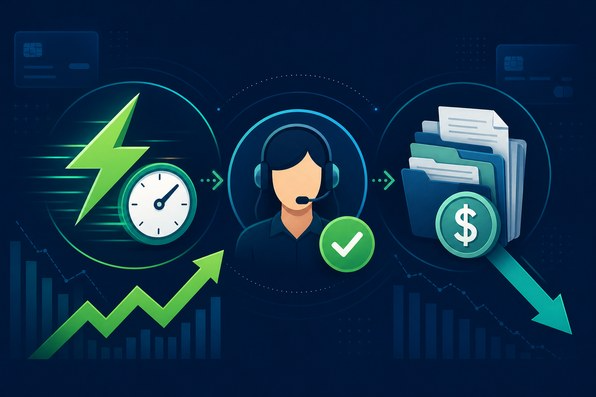
By McGraw Now The consumer debt relief industry is experiencing unprecedented demand. Driven by inflation, rising interest rates, and economic uncertainty,...

In the highly competitive world of B2C marketing, catching a consumer’s attention is harder than ever. Customers are inundated with...
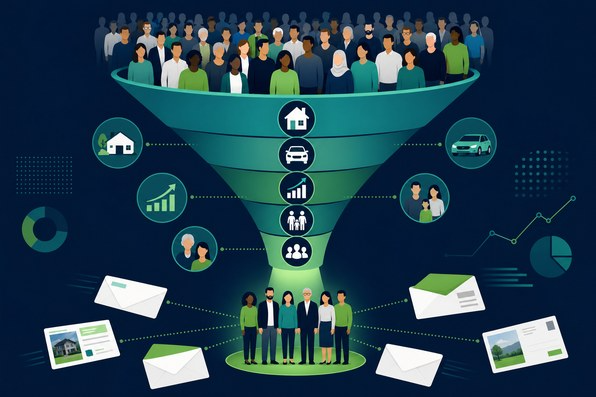
In an era dominated by digital noise, direct mail is experiencing a powerful renaissance. With overflowing email inboxes and digital...